Lecture and Book Signing Event
219 S. 6th Street, Busch Room
Tuesday March 2, 2027 at 6:00 PM

J. Max Bond Jr. (1935–2009) was a civil rights activist, educator, and architect who shaped such iconic structures as the King Center for Nonviolent Social Change in Atlanta, the Smithsonian’s National Museum of African American History and Culture in Washington, DC, and the 9/11 Memorial & Museum in Manhattan. Driven by the concerns of the civil rights movement, he insisted on a practice centered on deep social engagement during years when his profession became preoccupied with celebrity and spectacle.
Harvard educated and son of an eminent African American family, Bond designed housing, cultural institutions, community centers, and campuses amid an era of sweeping changes in architecture, urbanism, and American culture. He expressed an architectural vision that was democratic and inclusive, international in orientation, and celebratory of cities and their diverse residents. Yet his work has often been overlooked. Award-winning historian Brian Goldstein renders it visible.
Beautifully illustrated, Max Bond is the definitive biography of one of the most important architects of our time, whose aspiration toward an architecture by and for the people was as urgent in his day as it remains in our own.
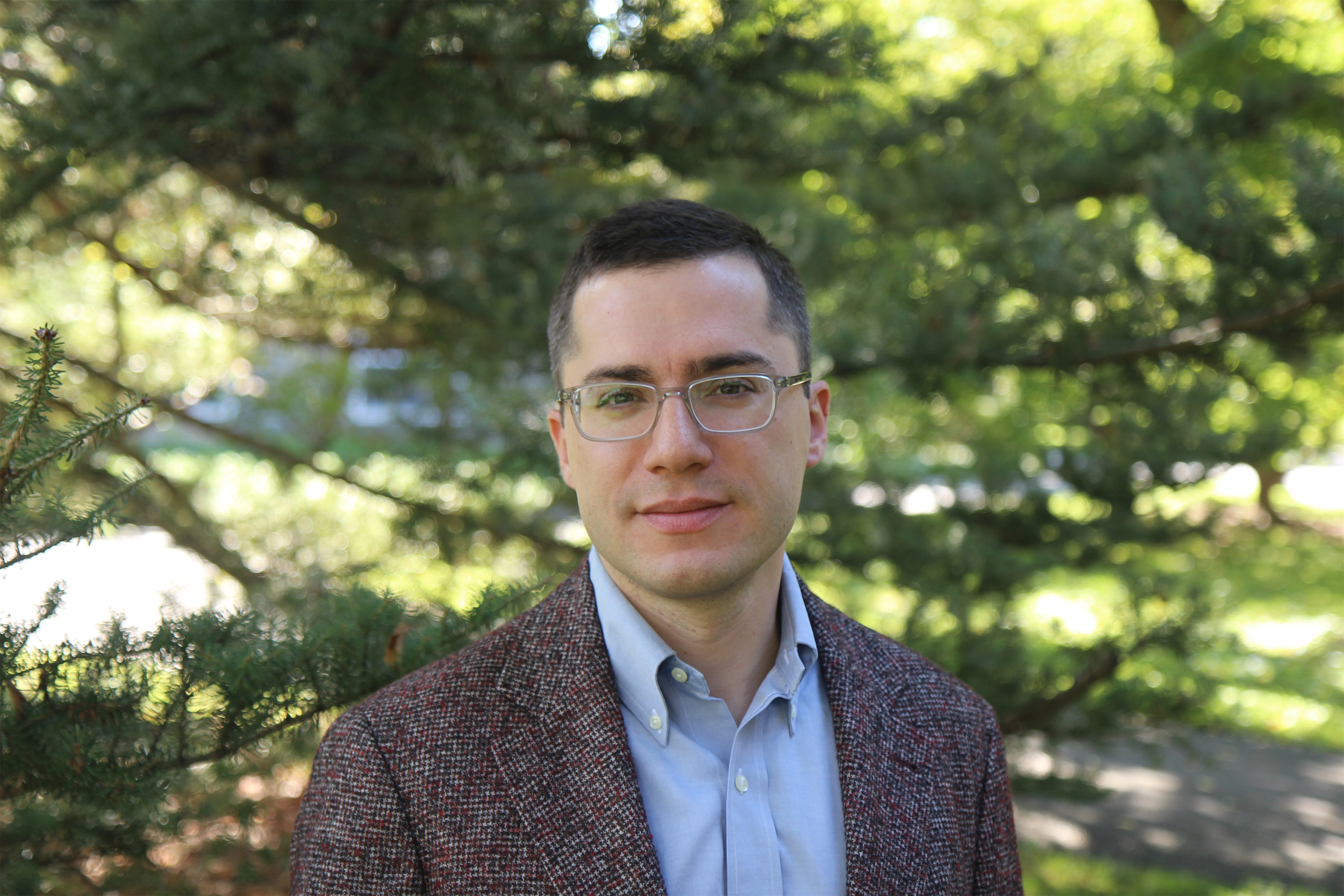
Brian D. Goldstein is an architectural and urban historian and an associate professor in and chair of the Art History Program at Swarthmore College. He is the author of Max Bond: The Life and Work of the People's Architect (2026) and The Roots of Urban Renaissance: Gentrification and the Struggle Over Harlem (2017), which received the 2020 John Friedmann Book Award from the Association of Collegiate Schools of Planning and the 2019 Lewis Mumford Prize for the Best Book in Planning History. He has received fellowships and awards from the National Endowment for the Humanities, Center for Advanced Study in the Visual Arts at the National Gallery of Art, Graham Foundation for Advanced Studies in the Fine Arts, and Society of Architectural Historians. He received his PhD from Harvard University in 2013. Brian lives in Washington, DC.